InvestOps Asia 2027 Blog
Operational Excellence by Design: Insights on Efficiency, Resilience, and Strategic Partnership
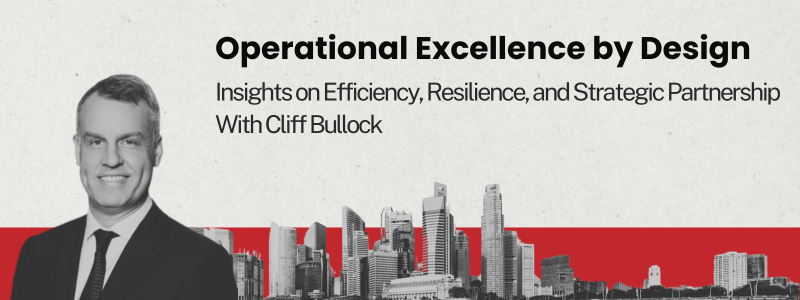
As operational teams across the investment industry face mounting pressure to do more with less, we spoke with Cliff Bullock, Regional Head of Operations, Asia Pacific at Invesco, who shared how his firm is navigating this shift through a deliberate blend of standardisation, technology enablement, and long-term operational thinking. His insights frame a larger story of how investment operations are evolving into both drivers and enablers of enterprise value.
From Enablement to Accountability: Operational Priorities in a Post-AI Investment Landscape
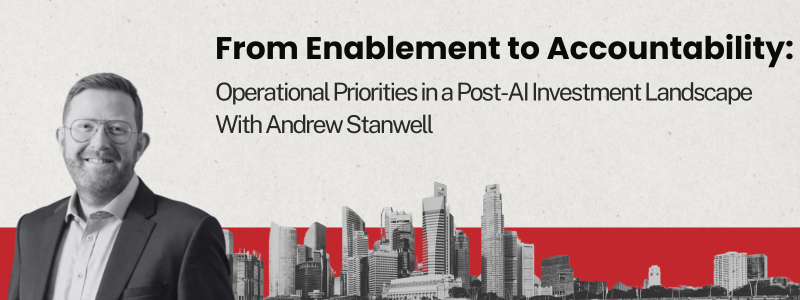
As investment operations undergo rapid transformation, few voices are better positioned to comment on its future than Andrew Stanwell. With a front-row seat to the intersection of data, regulation, and automation, Stanwell shares how his team is navigating the shift — not just to modernise, but to lead with integrity.
Bridging Complexity with Clarity: A COO’s Blueprint for the Future of Investment Operations

As the regulatory, technological, and geopolitical landscape continues to evolve, Manish Khandelwal, Chief Operating Officer of UTI International, outlines how he is navigating regulatory divergence, managing vendor complexity, and preparing his organisation for a future where cross-border transparency and unified data flows will be the defining competitive edge.
How Tokenized Gold and Stablecoins are Changing Institutional Custody in Asia

As stablecoins lay the foundation for real-world asset tokenization under frameworks like the Genesis Act, the next asset class is already here: gold. For banks modernizing their infrastructure, understanding tokenized gold isn’t optional, it’s operationally essential. Cici Lu McCalman, founder of Venn Link Partners, a consultancy helping banks transition to blockchain-driven systems, explains why tokenized gold is more than a digitized commodity.
Why Solving the Custody Challenge will Define the Next Generation of Institutional Finance
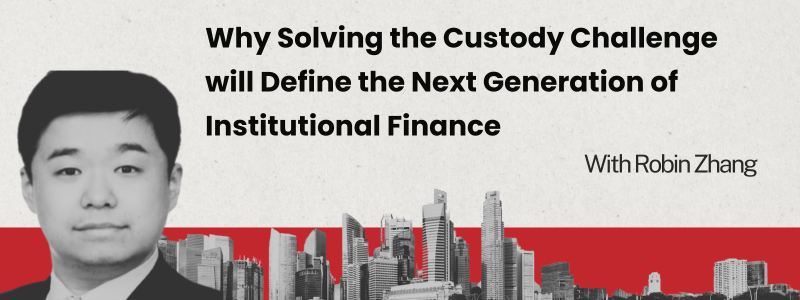
As a licensed fund manager, we can’t hold BTC directly—only through regulated products like ETFs such as IBIT,” shares Robin Zhang, COO of Winfield Global Capital. This captures the operational barrier to institutional crypto adoption across Asia’s buy-side. While digital assets gain legitimacy, custody and compliance infrastructure lag behind. For multi-family offices like Winfield, the challenge is balancing regulatory integrity with digital opportunity. Watch Robin Zhang unpack this reality in his InvestOps Asia interview.
From Partners to Prompts: Rethinking Investment Operations for Scale and Resilience

As investment firms scale globally, operations leaders are facing two simultaneous pressures: ensuring seamless service delivery across time zones, and future-proofing their internal data ecosystems. For firms based in Asia but operating globally, we find the balance between outsourcing and in-house capabilities as well as institutional knowledge and AI is becoming more strategic than ever - after our chat with Stephen Hull, COO, Zerobridge Partners.
Resilience, Reinvention, and Responsibility: What’s Defining Investment Operations For Alex Shaik in 2025

Ahead of the second annual InvestOps Asia, we’ve been speaking with senior operations executives across the buy side to shape a conversation rooted in today’s realities: shifting regulations, evolving workforce expectations, and a complex “build vs buy” landscape. The recent conversation with Alex Shaik (Partner, ADM Capital) is already pointing to key themes that will dominate the discussion this year.
Streamlining Investment Operations with Intelligent Automation
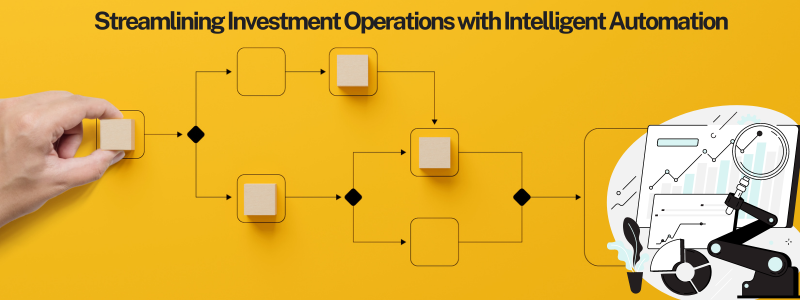
The industry is now at the cusp of a new era of intelligent automation - one that promises improved efficiency, consistency, and scalability. The potential? Nothing short of a revolution in how investment teams could collaborate to drive better portfolio performance. Let's explore how forward-thinking firms are exploring intelligent automation to help consolidate fragmented systems and streamline operations while boosting security, control, and governance.
From Manual Processes to Intelligent Automation - The Next Era of Operating Models

The APAC regional digital banking market alone will exceed $8 billion by 2026, rising at 20% CAGR from 2022 per Allied Market Research. The message is clear - evolve now or risk extinction. As we explore the next-gen operating models, we'll see how automation, AI, and digital convergence don't just reshape operations but redefine financial services leadership.